Available
Hypoxic Respiratory Failure in the Newborn
Hypoxic Respiratory Failure in the Newborn
Couldn't load pickup availability

ISBN
ISBN
9781000442328, 1000442322
Authors
Authors
Shyamala Dakshinamurti
Publisher Date
Publisher Date
October 28, 2021
Publisher
Publisher
CRC Press
Page count
Page count
268
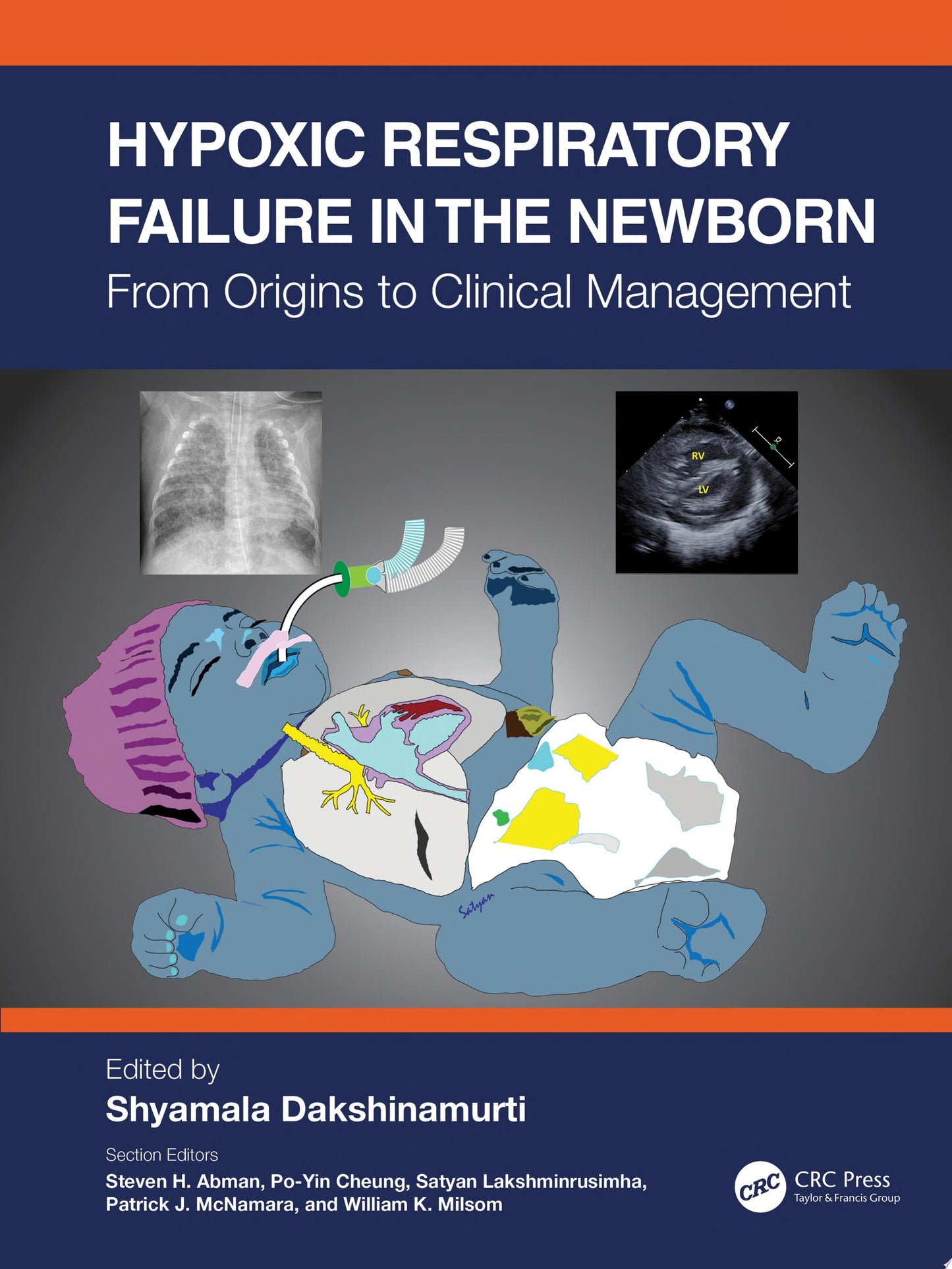
Hypoxic Respiratory Failure in the Newborn provides a comprehensive, physiology-driven exploration of how the human fetus tolerates hypoxia and why this tolerance can fail after birth. Drawing on evolutionary biology and comparative physiology—from diving mammals to high-altitude species—the book links fundamental mechanisms of hypoxia tolerance to the dramatic cardiopulmonary transitions of the neonatal period. Through expert-authored review chapters, it examines the role of oxygen in circulatory transition, the pulmonary vascular response to hypoxia, and the biochemical pathways involved, translating this knowledge into clinical understanding of hypoxic respiratory failure (HRF) and persistent pulmonary hypertension of the newborn (PPHN). The volume aims to bridge basic science and bedside care, equipping clinicians to manage critically ill neonates using current diagnostic tools and therapies while engaging with areas of active debate and research.
Key Features:
- Evolutionary and Comparative Perspective: Integrates insights from animal models adapted to extreme hypoxia with human fetal and neonatal physiology.
- Physiology of Transition at Birth: Explains oxygen’s role in circulatory and pulmonary vascular changes during neonatal transition.
- Biochemistry of Hypoxia: Details hypoxia signaling and metabolic pathways within the pulmonary circuit.
- Clinical Focus on HRF and PPHN: Covers classification, diagnosis, and evidence-based management strategies for term neonates.
- Case-Based Learning: Includes challenging case scenarios highlighting diagnostic dilemmas, therapeutic controversies, and algorithmic decision-making.
- Interdisciplinary Relevance: Designed for NICU clinicians and trainees across pediatrics, neonatology, cardiology, pulmonology, anesthesiology, and physiology.
- Up-to-Date Tools and Therapies: Reviews current and emerging diagnostics and treatments, with attention to ongoing research gaps.