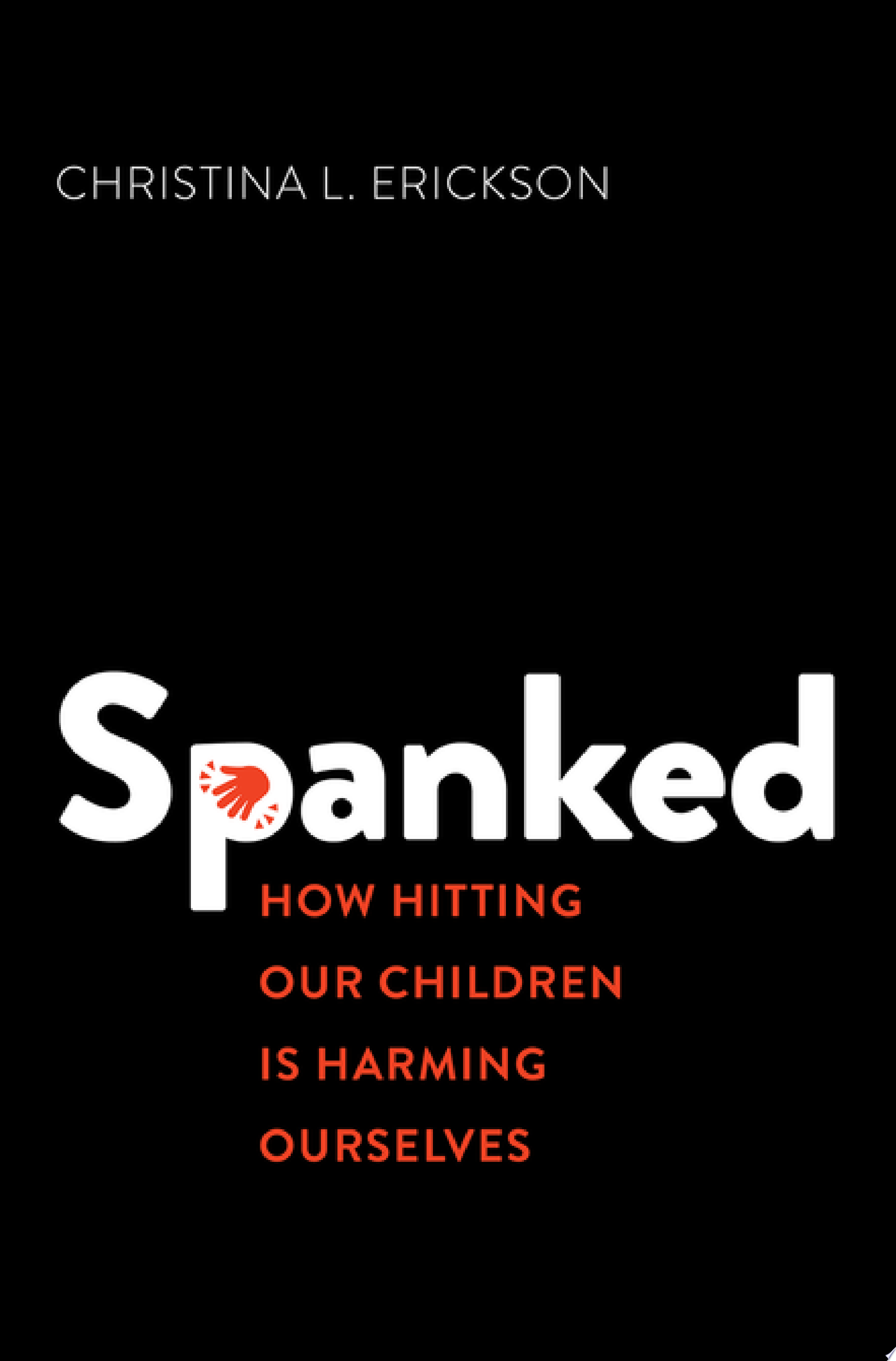
Spanked: How Hitting Our Children Is Harming Ourselves offers a thoughtful historical and cultural examination of spanking as a widely accepted form of child discipline. Through analysis of historical parenting literature, magazine articles, and contemporary beliefs, Erickson explores how and why the practice of hitting children became normalized for teaching obedience and behavior. The book goes beyond discipline techniques to question deeper societal values, inviting readers to reflect on parenting, power, family leadership, and what spanking communicates about children and their place in society.
Key Features
- Traces the historical evolution of spanking, including who spanks and how the practice became culturally accepted.
- Examines cultural narratives and parenting beliefs that continue to justify physical punishment.
- Explores links between spanking and parental emotions, perceptions of children, attachment and bonding, and the boundaries between discipline and child abuse.
- Discusses school corporal punishment, legal frameworks that permit parents to hit children, and contrasts with laws protecting others from violence.
- Provides an international perspective on physical punishment and how different societies address child discipline.
- Encourages critical reflection and respectful dialogue about parenting, authority, and family leadership.
- Includes book group discussion questions, making it suitable for families, educators, professionals, and community groups.